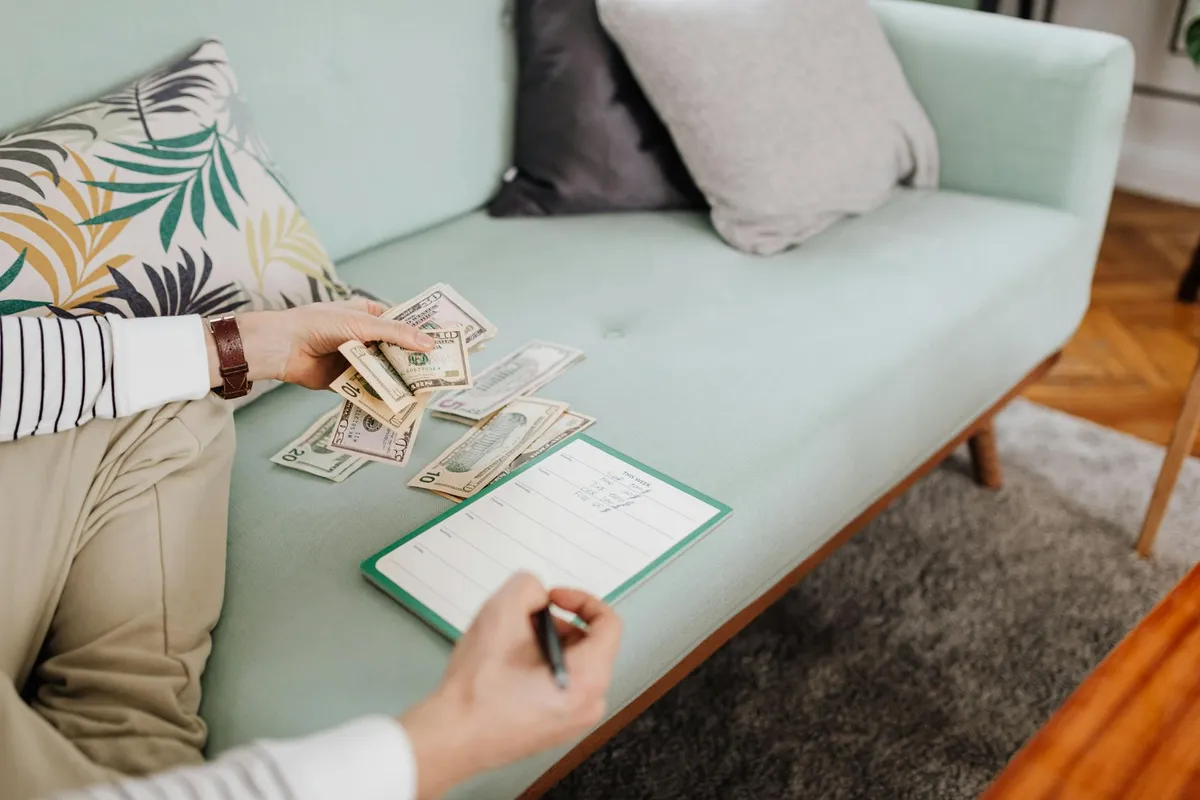
One of the most persistent myths about eco-friendly living is that it’s expensive. And look, some of it is — I’m not going to pretend that a GOTS-certified organic cotton wardrobe for your kids is the same price as buying everything at H&M. But the myth gets the overall picture wrong, because a significant amount of low-waste living is actually cheaper than the conventional alternative, once you’re past the upfront cost of switching.
The key is knowing which eco investments genuinely pay off over time and which ones are just “eco premium” marketing on something that doesn’t actually make a meaningful difference. Here’s how I think about it after a few years of trying to do this on a real family budget.
Where Sustainable Living Saves You Money (No, Really)
Let’s start with the wins, because they’re real and they’re significant.
Buying less stuff. This is so obvious it sounds like a non-answer, but it’s genuinely the biggest financial impact of moving toward a lower-consumption lifestyle. When you stop buying disposable versions of things and replace them with reusable alternatives, you stop the ongoing spending on those categories. Paper towels, disposable zip bags, plastic wrap, disposable sponges, coffee pods, bottled water — these seem small per unit but add up considerably over a year. Our estimate is that the switch to reusables saves us somewhere in the $400-600 range annually for our family of four, which covers the upfront cost of the reusables and then some.
Buying secondhand. For kids’ clothes, gear, toys, and furniture, buying secondhand is almost always dramatically cheaper than buying new, and the quality is often comparable or better (especially for things like wooden toys and solid furniture, where quality compounds over time). We spend maybe a third of what we would on kids’ clothing if we were buying new retail, and the clothes are genuinely fine.
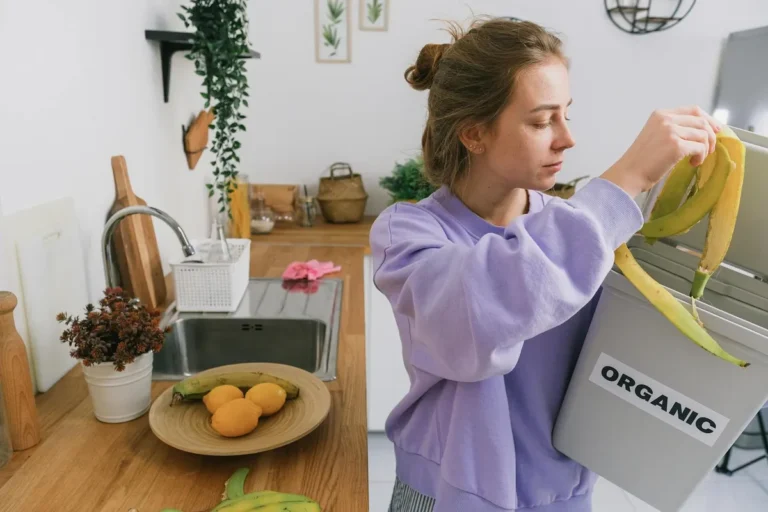
Reducing food waste. The average American family throws away somewhere around $1,500 to $2,000 worth of food annually. If you build habits around actually using what you buy — meal planning loosely, using the freezer well, treating leftovers as a resource — you can recover a meaningful portion of that. For us, it’s probably $600-800 a year in food we’re no longer throwing away.
Making things last longer. Buying better quality, less often, and maintaining what you have turns out to be cheaper than buying cheap and replacing frequently. This is the “buy nice or buy twice” principle, and in categories where quality variation is real (shoes, cookware, outerwear), it holds up.
Where the Upfront Cost Is Worth It
There are categories where the eco-friendly option costs more upfront and genuinely pays off over time. These are the smart places to spend.
Reusable versions of single-use items. A set of silicone bags costs $25-30 and replaces hundreds of dollars of disposable zip bags over its lifespan. Glass containers cost more than plastic Tupperware and last essentially indefinitely. A good water bottle costs $35-45 and replaces thousands of single-use plastic bottles. In every case, the payback period is short and the long-term savings are real. This category is always worth the upfront spend.
Energy efficiency in the home. LED bulbs, a programmable thermostat, and weatherstripping on drafty doors and windows all have payback periods measured in months to a couple of years. If you own your home, these are almost always worth prioritizing. They lower your bills and your footprint simultaneously.
Quality kids’ outerwear. A good rain jacket or a quality winter coat that’s sized to last two to three seasons (size up slightly and use adjustable features) is worth the spend. Cheap outerwear falls apart quickly and has to be replaced, which costs more and wastes more. For outerwear specifically, buy quality, size with a year of growth room, and pass it forward when your kid outgrows it.
Where the “Eco Premium” Isn’t Worth It
This is the part of the guide that “green” brands don’t want you to read, so pay attention.
Organic produce on everything. The Environmental Working Group’s Dirty Dozen list exists for a reason: pesticide residue levels vary dramatically by produce type. Strawberries, spinach, and apples are high-priority organic purchases. Avocados, onions, and pineapples have thick skins or natural protections that make organic significantly less meaningful. Spend the organic premium on the items where it actually makes a difference, and don’t stress about the others.
Specialty “eco” cleaning products at premium prices. Plain baking soda and vinegar clean a lot of things effectively. Castile soap diluted with water is a reasonable all-purpose cleaner. Concentrated cleaning tablets (the Blueland-type products) are genuinely efficient and not outrageously priced. But many “green” cleaning products are essentially marketing + a nice bottle on a simple formula. You don’t need to spend $12 on an eco dishwashing liquid when a basic natural soap will do the same job.
Expensive zero-waste starter kits. You do not need to spend $200 on a curated zero-waste kit from a boutique brand. You need a few glass jars from your recycling bin, some cloth from old t-shirts, and a willingness to use what you already have before buying anything new. The most sustainable thing you own is what you already have. Start there.
How to Prioritize When the Budget Is Tight
If you’re working with a genuinely limited budget and you want to make your household greener, here’s the order I’d prioritize.
First: habits that cost nothing or save money immediately. Planning meals loosely to reduce food waste. Using cloth instead of paper towels (use old t-shirts, not purchased “unpaper towels”). Buying secondhand for kids’ clothing. Shopping from the bulk bins when accessible. Skipping the bottled water and using a filter if your tap water tastes off.
Second: low-cost reusables with immediate payback. A set of reusable bags (a couple of dollars at many stores). A water bottle (secondhand or a basic model). A simple compost bin (a basic one is $30-50, or free from some municipalities).
Third: the bigger-ticket reusables when you’re ready. Glass containers, silicone bags, a good set of stainless containers for the kids’ lunches. These pay back over time but require some upfront spend.
The Money Mindset Shift That Helps Most
The frame that has helped us most is thinking about cost per use rather than sticker price. A $30 set of silicone bags that lasts five or more years costs less per use than a box of zip bags you go through in a month. A $45 water bottle your kid uses daily for three years costs pennies per use. A $15 bamboo cutting board you oil twice a year and use for a decade costs almost nothing in practice.
And the complementary shift: every time you don’t buy something you don’t need, every time you use what you have instead of replacing it, and every time you choose secondhand over new, you’re making a financial decision that also happens to be an environmental one. The two things align a lot more often than most people expect — which is actually kind of encouraging, once you see it that way.