Honestly? When we first started trying to reduce our plastic use, I bought a bunch of stuff that looked great on Instagram and ended up in the back of a cabinet six weeks later. The mesh produce bags that stretched out immediately. The reusable straws that no one would clean. The bamboo dish brushes that turned into science experiments. I’m not going to pretend that every swap was a win right out of the gate.
But over the last few years, we’ve genuinely figured out which plastic-free swaps work in a real family home with real kids who have opinions and a real schedule that doesn’t allow for high-maintenance eco-projects. These are the 15 that stuck — as in, they’re still in use today, they haven’t been replaced, and I’d recommend them to any parent starting this journey.
In the Kitchen
The kitchen is where most families generate the most single-use plastic, which makes it the highest-leverage place to start. Here’s what works for us.
Glass food storage containers. We switched from plastic Tupperware to glass containers about three years ago and we have genuinely not looked back. Yes, they’re heavier. Yes, the kids have dropped a couple (silence from the back seat on this one). But they don’t stain, they don’t hold smells, and you can put them straight in the oven. The brand doesn’t matter much — look for lids that actually seal and you’re good.
Beeswax wraps. These took us a couple tries to get right. The trick is to use the warmth of your hands to mold them around whatever you’re covering — they don’t cling like plastic wrap, they conform. They work brilliantly for half a lemon or an avocado. They don’t work great for raw meat (just use a container for that). We use Bee’s Wrap brand and refresh ours every year or so.
Silicone zip bags. For sandwiches and snacks, these have replaced every single-use zip bag in our house. They wash out easily, they go in the dishwasher, and they last for years. Stasher is the most well-known brand but there are plenty of options now at more reasonable price points.
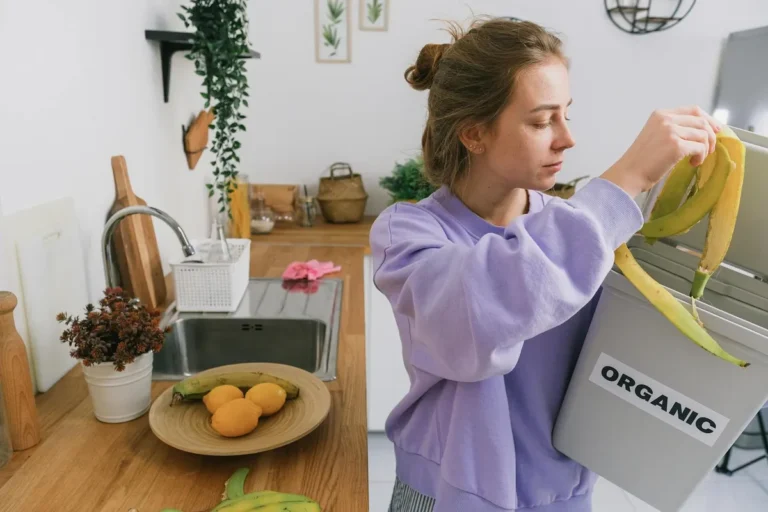
A compost bin on the counter. Not technically a swap, but keeping a small compost container on the counter reduced our trash volume more than almost anything else on this list. When food scraps have a place to go other than the trash bag, you use dramatically fewer bags. We empty ours every two days into an outdoor bin.
Bar dish soap. This one surprised me. I was skeptical that a bar of soap would cut through the kind of greasy, kid-generated mess our dishes accumulate, but it absolutely does. No plastic bottle every few weeks, and a single bar lasts our family of four about two months.
In the Bathroom
The bathroom is the second biggest generator of single-use plastic in most homes, between shampoo bottles, conditioner, body wash, and all the rest of it.
Shampoo and conditioner bars. These took the longest for me to come around to because my first couple of tries produced hair that felt like straw. The learning: you need to find bars that actually match your hair type, and there’s a one- to two-week transition period while your scalp adjusts. Once we got past that, though, my hair actually feels better than it did with bottled shampoo. My kids were easier to convert — they just don’t care as much.
Bamboo toothbrushes. Standard recommendation, but worth including because we’re still using them three years in. The bristles are nylon (most are, unless you specifically seek out plant-based bristles, which are harder to find and less effective), but the handle keeps the plastic out of the waste stream. Get the adult ones for yourself; for kids, make sure you’re getting appropriately soft bristles.
Refillable deodorant. This one felt like a stretch but it has genuinely worked out. We use Bite toothpaste bits and a similar brand for deodorant that sends you refill pods. No plastic tube in the recycling every few weeks.
Cotton rounds — reusable. If you use disposable cotton rounds for makeup removal or skincare, switching to reusable ones is a genuinely easy swap. You wash them with your regular laundry (put them in a mesh bag so they don’t disappear). A set of 20 lasts for years.
At the Grocery Store
A lot of plastic-free living happens before you even get home from the store.
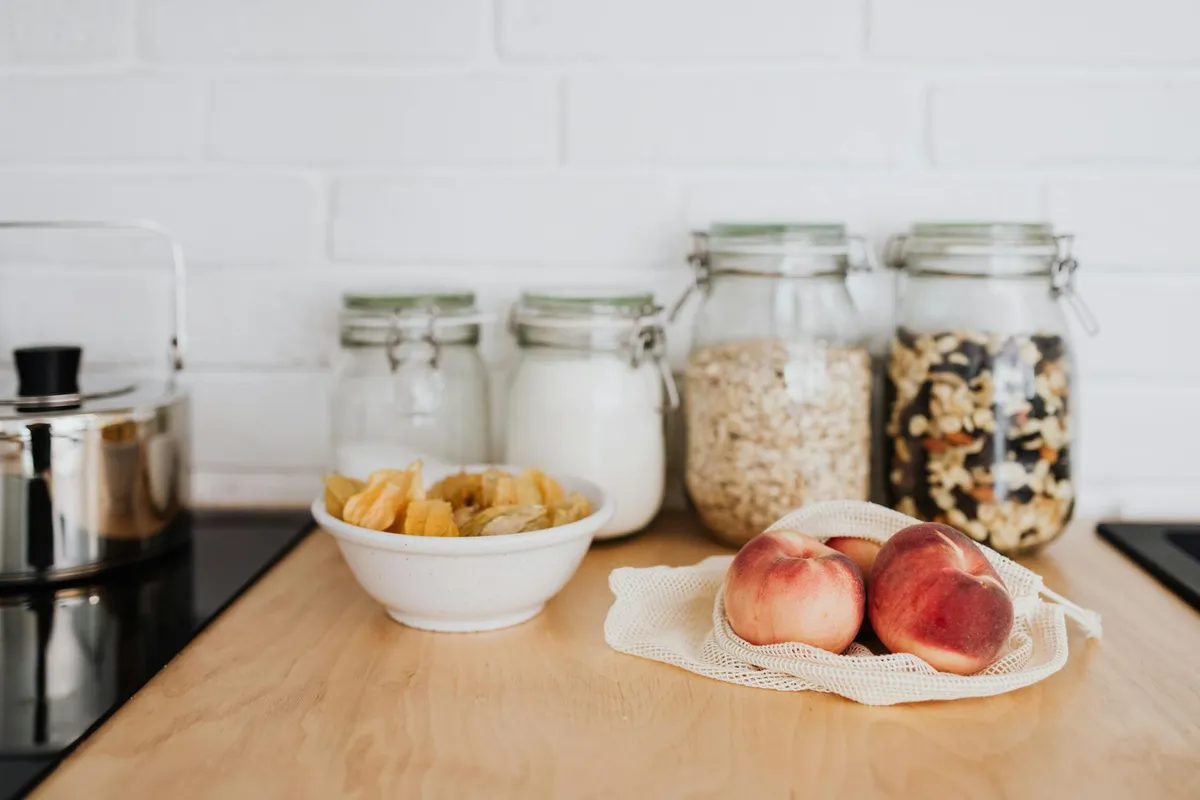
Reusable produce bags. Yes, I had a bad experience early on. The key is getting a set that’s actually durable — look for bags with reinforced drawstrings and slightly more structure than the ultra-flimsy mesh ones. We use Vejibag for leafy greens specifically (the cotton absorbs moisture and keeps greens fresh longer than any plastic bag we’ve used) and generic nylon mesh for everything else.
A tote bag habit that actually sticks. This sounds too basic to include, but the reason most people cycle back to plastic bags is that the totes end up at home when you actually need them. Our system: every bag gets hung on the same hook by the garage door immediately after being unpacked. It took about a month to make it automatic, and we’ve been plastic-bag-free at the grocery store for two years.
For the Kids
Stainless steel water bottles and lunch containers. We have Planet Box for school lunches and it has been one of the best purchases we’ve made. No more plastic baggies, no more single-use packaging for every item. The upfront cost is real but these things last for years — we’re on year three and they still look great.
Solid sunscreen sticks. Less packaging, easier to apply on a wiggly kid, no spillage in the pool bag. Win, win, win.
Around the House
Concentrated cleaning tablets. This is a newer swap for us and one of my favorites. Companies like Blueland or Grove sell cleaning concentrate tablets that you drop into a reusable spray bottle with water. You never buy another plastic spray bottle. The tablets ship in minimal packaging. The cleaning performance is genuinely as good as what we were using before.
Compostable trash bags. This one is slightly philosophical — if your trash goes to a landfill, compostable bags don’t break down any faster than regular ones. But if you compost, using compostable bags for the compost bin means you can toss the whole thing in. And either way, moving away from virgin plastic bags in other areas of the house means your overall plastic footprint is still lower. We use these for bathroom trash cans specifically.
None of these swaps required a dramatic lifestyle overhaul. Most of them just became the new normal within a few weeks. Start with one or two from the kitchen and build from there — that’s how we did it, and it worked a lot better than trying to overhaul everything at once.